The most expensive question you will be asked
After a grounding, a simple request from a salvage company can have consequences long after your yacht is safe.
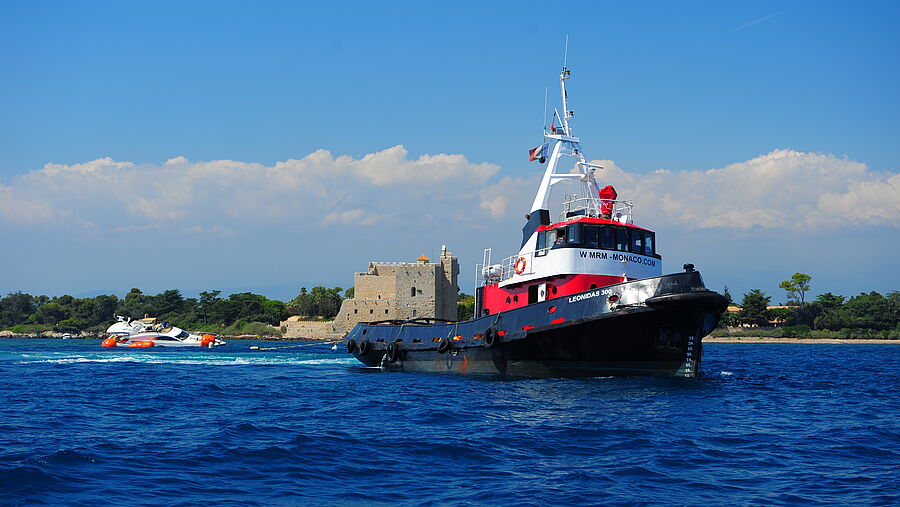
The grounding happened just after 5 p.m.
Within minutes, the alarms started sounding. First the bilge alarm. Then the water-in-fuel alarm. One crew member had suffered serious injuries. A distress call was made on VHF Channel 16.
The first vessel to arrive was from the Italian Guardia di Finanza. While the injured crew member was taken ashore for medical treatment, the situation on board continued to deteriorate.
Seawater had entered the yacht through damage to the hull, contaminating the diesel tanks. Shortly afterwards, the main engine stopped. Then the electrical system failed.
The yacht was now without propulsion, without electricity and without bilge pumps. Water continued to enter the hull.
A diver confirmed significant damage to the keel. Fortunately, no diesel had escaped into the sea, but it was clear that the yacht had to be moved quickly before the situation worsened.
The captain called the Pantaenius emergency line.
Request for papers
After confirming that the yacht was covered under a hull insurance policy, he was advised that emergency towing and lifting costs would be covered. A tug was requested, together with a portable bilge pump, and preparations were made to move the yacht to the nearest shipyard with a travel lift.
When the tug arrived, the crew were handed a contract. Then came another request. "Can we see your insurance papers?"
In the middle of an emergency, it seemed perfectly reasonable.The captain complied.The yacht was safely towed to a nearby shipyard later that evening. Shortly before midnight she was resting securely in the slings of the travel lift. The immediate emergency was over.
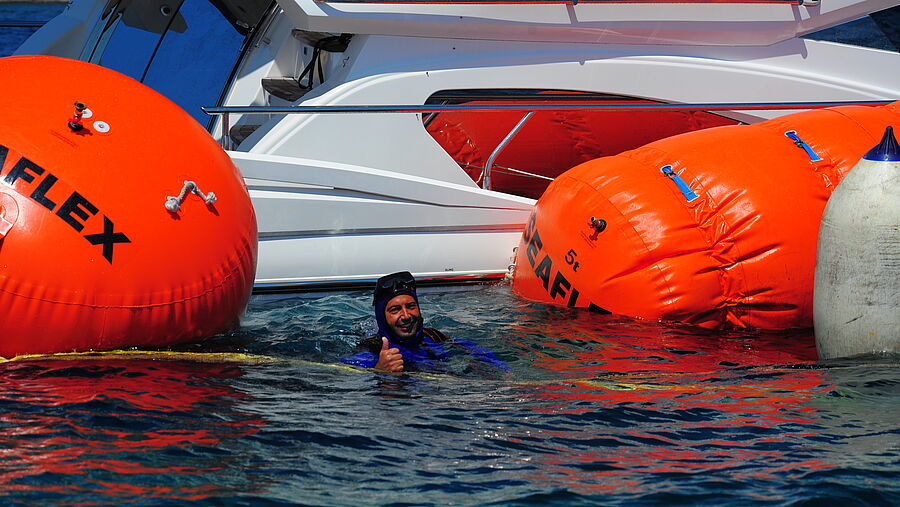
A professional salvor may be entitled to a salvage award that reflects the circumstances of the operation.
Lengthy negotiations
The commercial negotiations, however, were only just beginning.
Many yacht owners are unaware that a successful salvage operation is not simply a towing service. Under international salvage law, a professional salvor may be entitled to a salvage award that reflects the circumstances of the operation. The value of the yacht is one of several factors that can influence those negotiations.
That is why experienced claims handlers advise owners and captains never to disclose the insured value of their yacht to a salvor, and never to volunteer insurance documents during commercial negotiations unless there is a legal obligation to do so.
In this case, Pantaenius took over once the yacht was safe.
Working on behalf of the owner, the claims team reviewed the salvor's demands and entered into lengthy negotiations over what constituted a reasonable salvage award. The initial positions of both parties were far apart, but through negotiation a substantially lower settlement was ultimately achieved.
The case highlights an important point that is often overlooked.
The emergency does not necessarily end when the yacht reaches the dock.
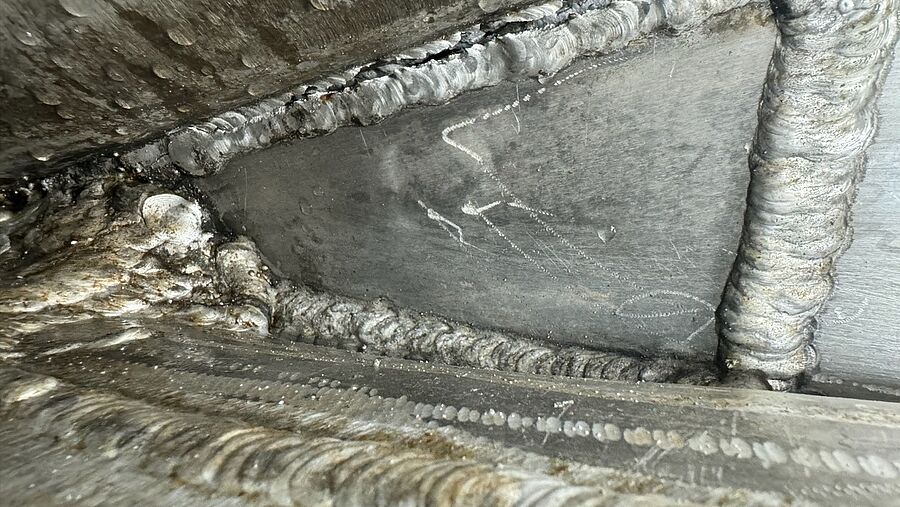
After having cleaned the bilge, a close look revealed broken weld seams.
Protecting the owner's interests
Once the crew are safe and the yacht is secure, a different challenge begins—protecting the owner's financial interests. Having an experienced claims team involved at an early stage can make a significant difference, not only in coordinating the emergency response but also in ensuring that commercial negotiations remain fair and proportionate.