Safeguarding Your Superyacht
The Human Element
True luxury isn’t just found in fine finishes — it’s in the confidence of a safe return. CHIRP Maritime explains how smart safety practices preserve the freedom, privacy and performance that define the superyacht experience.
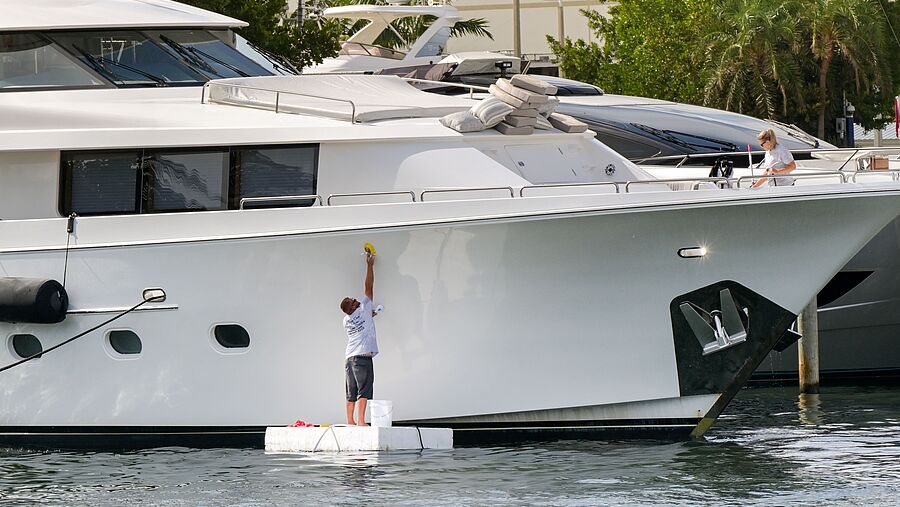
In the luxurious world of superyachting, freedom and adventure define the experience. But beneath the surface lies a more serious reality: even minor incidents can lead to significant losses of equipment, reputation, or even life.
“A proactive focus on safety isn’t just about compliance; it’s a smart investment in protecting people, assets, and operations,” says Dave Watkins of CHIRP Maritime (Confidential Human Factors Incident Reporting Programme).
CHIRP plays an important safety role in the superyacht industry by offering a confidential platform where crew, officers, and others can report safety concerns without fear of retribution. Watkins explains how a proactive mindset can help prevent losses in the first place.
The Human Element: Leadership Sets The Tone
Approximately 35% of superyacht incidents stem from poor leadership or supervision. “The captain’s influence is critical — not just for issuing orders, but for creating a culture where safety is prioritised, not sidelined, under pressure,” says Watkins. Empowering every crew member to speak up, report concerns, and stop work when necessary is essential — even if that means questioning a superior.
Incidents like working aloft without PPE or diving without permits have occurred because no one felt empowered to intervene. Anonymous reporting channels like CHIRP’s Superyacht Feedback are vital for spotting risks early. Normalising their use helps prevent near misses from becoming costly accidents.
Paper Doesn't Prevent Loss - Action Does
Safety Management Systems (SMS) are only effective when they are followed and regularly verified. “Too often, procedural drift creeps in — alarms aren’t tested, doors are left unsecured, permits are skipped,” says Watkins. “These lapses erode safety until something goes wrong.”
Procedural drift is silent, gradual and dangerous. Regular, realistic drills — watertight door checks, engine room scenarios, PPE compliance — help verify whether systems work as intended. Task-specific training and internal audits also help spot and correct drift early.
For high-risk tasks (like hot work, diving or working at height), a permit-to-work system must be non-negotiable. “It’s about control, clarity, and accountability — not just paperwork,” says Watkins.
Talk Clearly. Confirm Everything
“Miscommunication is one of the most preventable causes of loss,” says Watkins. On superyachts, where small teams handle complex tasks, structured communication is critical.
Closed-loop communication (repeating back instructions) and two-person verification before key actions (like confirming shell doors are secure) can prevent major incidents. “Don’t assume — confirm,” Watkins adds. “Assumption and rushed conversations have no place in high-risk environments.”
Design Integrity: Systems Must Support Safety
Not all risks come from human error. Technical issues, like unreliable alarms, poor sensor placement or single-point failures, are frequent contributors to accidents.
“A weak alarm system is like a broken compass,” says Watkins. Similarly, if a sensor can’t detect the hazard in time, it’s not protecting anyone. Maintenance and system reviews are essential. If a hatch sensor only alerts when it’s already fully open, that’s a fixable design flaw.
“Consider retrofits and system upgrades as part of a strategic safety plan,” he adds.
The Real Luxury Is Safety
For owners, captains and management companies, a mature safety culture is a legal necessity — and a competitive advantage and form of loss prevention. “Safety isn’t a cost. It’s an insurance asset,” he says.
By learning from past incidents and adopting a proactive mindset for loss prevention — through strong leadership, open communication, verified practices and robust systems — the superyacht community can enjoy the journey without compromising what matters most. “The real luxury isn’t speed or space,” he says. “It’s getting home safely.”